

Sand Blasting
- Home
- Surface Finish
- Bead Blasting
Introduction to Sand Blasting
The sandblasting process uses compressed air to produce a high-speed jet of abrasive material. This material is directed onto the surface of the workpiece.
Due to the impact and cutting effect of the abrasive material on the surface of the workpiece, the properties of the workpiece surface — such as its roughness and uniformity — are altered and improved.
Sand Blasting Specifications
| Features | Info |
|---|---|
| Materials | ABS, Aluminum, Brass, Stainless Steel, Steel |
| Color | n/a |
| Texture | Matte |
| Standards | #120, #150, #180, #200, #220 |
| Applications | Cosmetic parts |
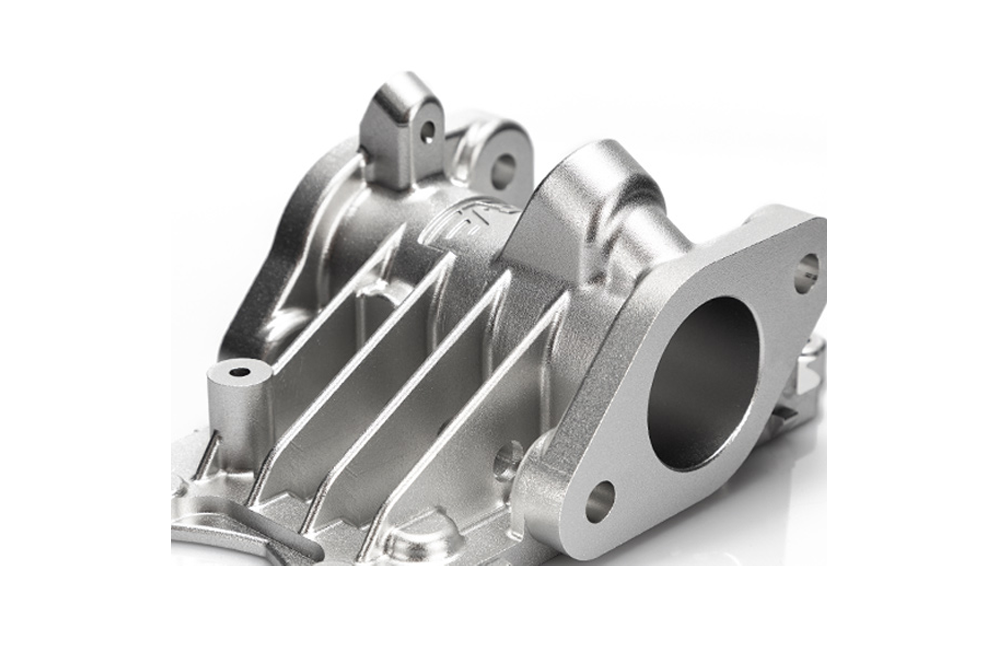
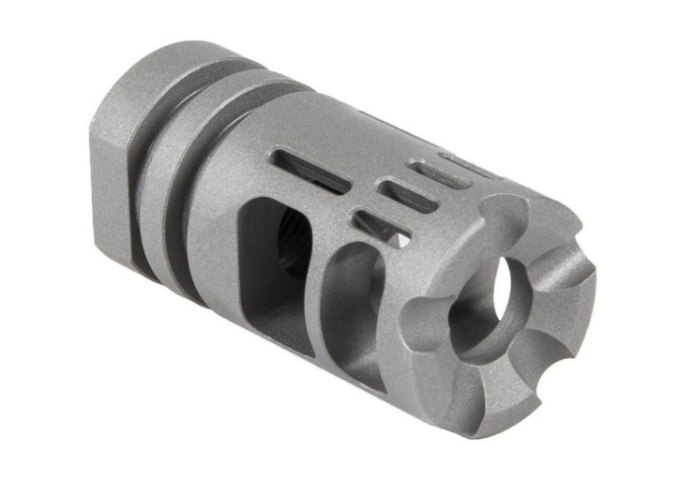
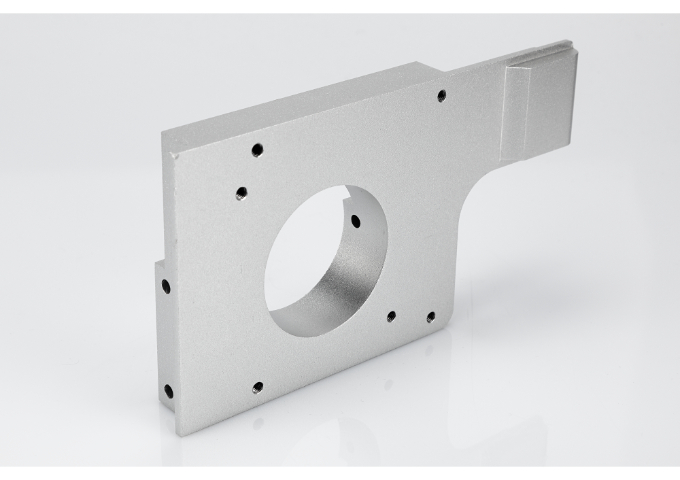
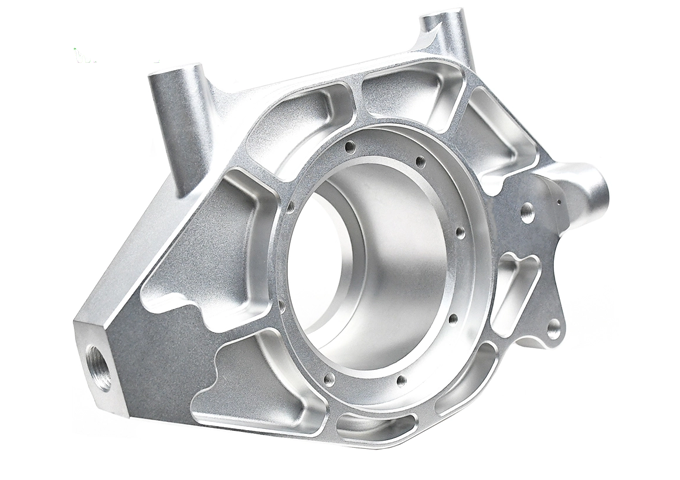
Surfaces Finishes Gallery
Design Considerations
- Masking or plugging is available for areas with tight tolerances.
- Complex, fine and intricate geometries may be difficult to blast evenly.
- Thin walls should not be blasted, for risk of deformation.
Let's Start A New Project Today
Explore Related Resources
Vacuum Casting for Medical Devices: Benefits and Applications
CNC lathe machines perform multiple machining operations to achieve specific part features. Turning is commonly associated with lathe work. However, ...
Vacuum Casting Design Guide: Practical Tips for Success
CNC lathe machines perform multiple machining operations to achieve specific part features. Turning is commonly associated with lathe work. However, ...
What’s Vacuum Casting? Process, Design, and Applications
CNC lathe machines perform multiple machining operations to achieve specific part features. Turning is commonly associated with lathe work. However, ...