Holiday Notice: We will be closed from April 4th to 6th, 2024, for the Qing Ming Festival. Learn more

InnovEd Parts Program comes! Bridge innovation and education. Perfect for college students and faculty eager to create. Join us.

InnovEd Parts Program comes! Bridge innovation and education. Perfect for college students and faculty eager to create. Join us.

Product Detail

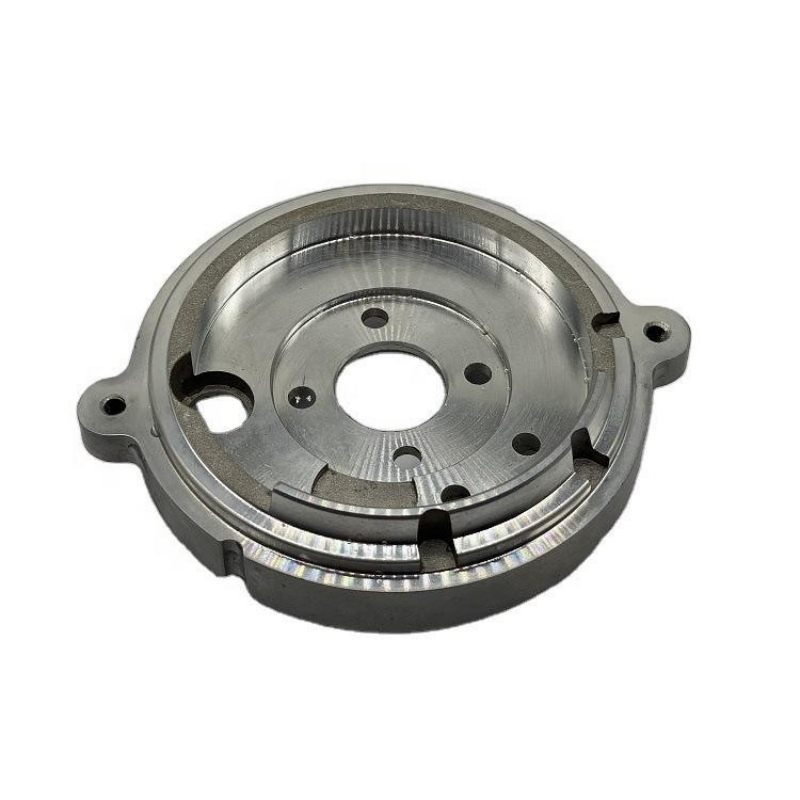
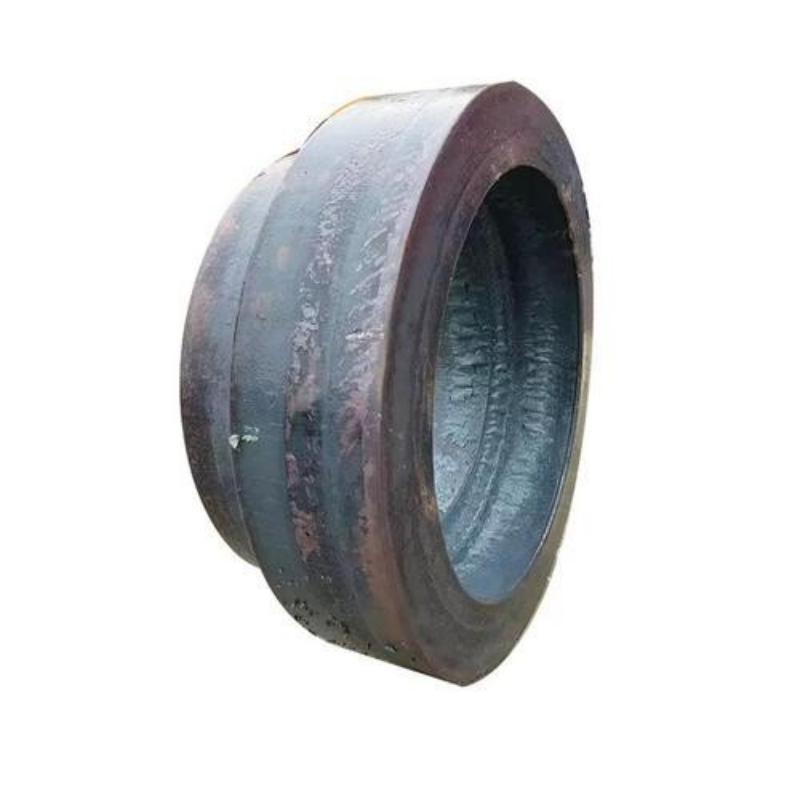
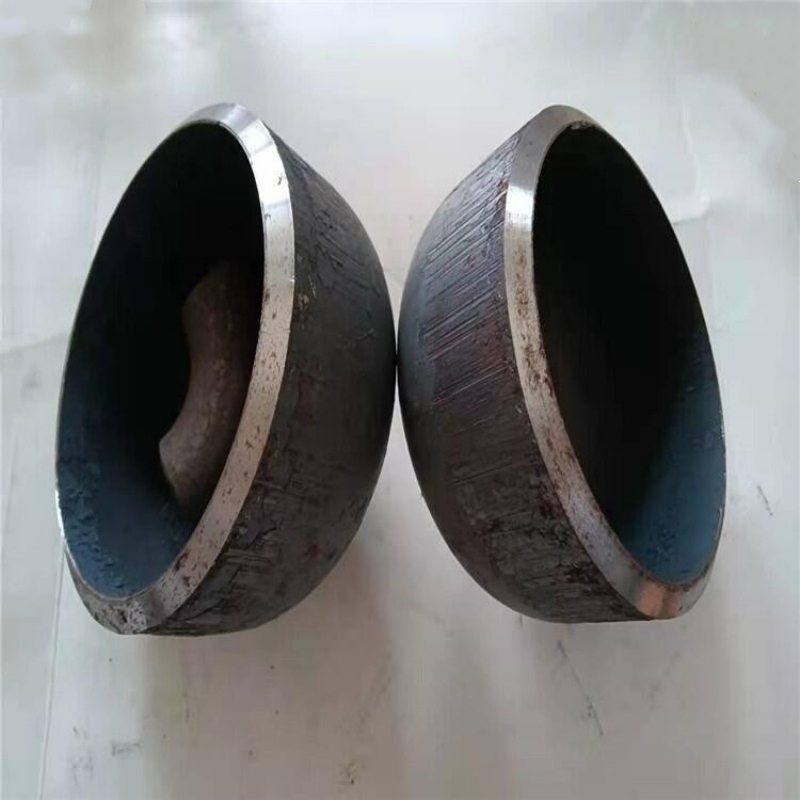
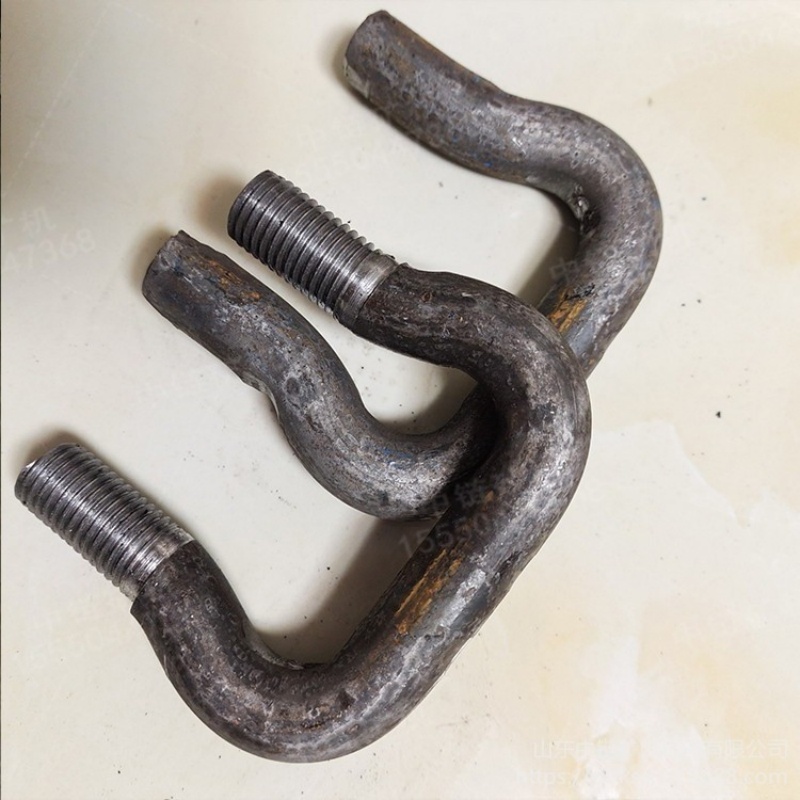
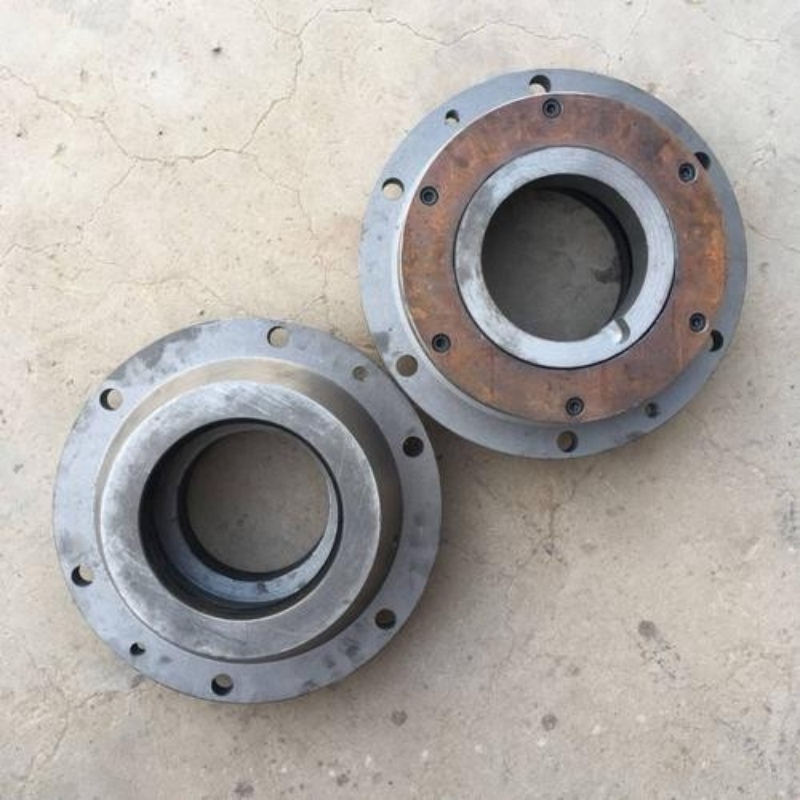
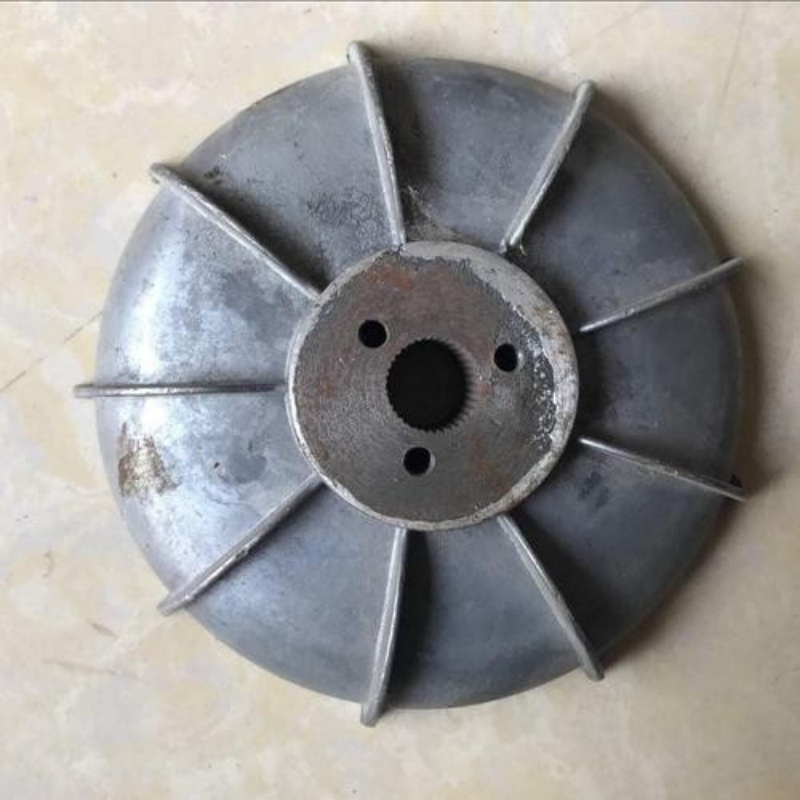
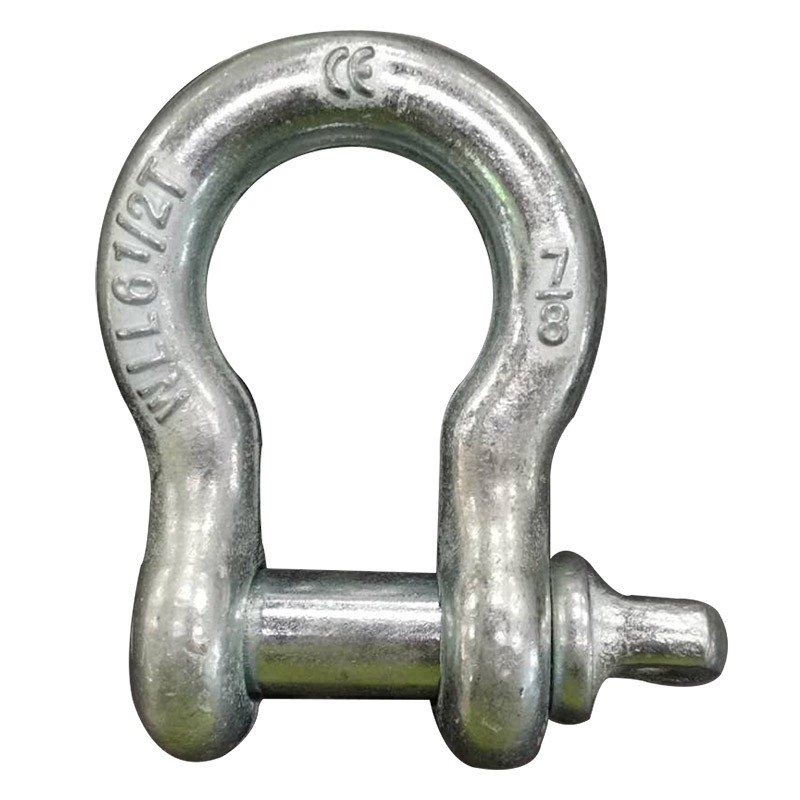
Forging parts

  • A metal forging piece is a workpiece or blank.
  • That is obtained by applying pressure to a metal billet to cause plastic deformation.
  • Thereby achieving a specific shape, size and excellent internal structure.
  • How to be processing for forging?

    • Forging is the process of heating metal to a plastic state (solid but malleable),
    • And then applying pressure with a forging machine or hammer to cause it to deform,
    • Similar to the “forging” technique.


    What has the advantage for forging?

    • The metal structure of the forged parts is denser, the crystal grains are more closely arranged,
    • And their strength, toughness and impact resistance are all better than those of the cast parts.
    • Under the same material conditions, the tensile strength of the forged parts can be increased by about 26%.


    What time choose forging is better?

    • The production cost is high and the equipment requirements are strict.
    • This type of part is suitable for those that can withstand heavy loads and impacts (such as gears, crankshafts, and connecting rods).


    The core steps: cutting, heating, shaping, heat treatment and inspection.

    Step Description
    Forging billet cutting The raw materials are cut into billets of specific weight and volume to ensure dimensional consistency.
    Forging billet heating Heat the billet to the forging temperature to reduce the resistance to deformation and enhance the plasticity of the metal.
    Forming processing Utilizing forging equipment to cause plastic deformation in the metal, thereby obtaining the desired shape.
    Edge trimming and punching Removing excess burrs or punching holes after forging
    Heat treatment Eliminate forging stresses, improve mechanical properties and cutting performance
    Cleaning and inspection Remove the surface oxide scale, and conduct visual inspection, hardness testing and non-destructive testing.


    Forging method:

    Free forging The process is relatively simple, with main procedures including upsetting, drawing, and punching, suitable for single-piece or small-batch production.
    Die forging The process is longer, usually involving multiple steps such as blanking, pre-forging, and final forging, suitable for mass production.
    Special forging Such as rolling rings, roll forging, etc., suitable for circular or special-shaped parts.


    Need consider the key points:

    Heating control It is necessary to accurately control the initial and final forging temperatures to prevent oxidation, overheating, over-burning.
    Process simulation Modern forging often uses numerical simulation to optimize the process and predict the temperature field and stress field.
    Post-processing Depending on the material, specific heat treatment processes (such as: solution treatment and aging treatment may be involved).


    Custom Containers FAQs

    Qigao is a welder and flame cutting machines leader in China. We insists on supplying professional technology, high performance and good after-sale service to meet the requirements of customers from around the worlds. China Qigao will try our best to become your one-stop supplier. Name your detailed task and we will find a solution together!

    Discuss Your Product Requirement

    Use this call-to-action area for product inquiries, sample requests or technical consultation routing.

    Forging parts

    Forging parts