Holiday Notice: We will be closed from April 4th to 6th, 2024, for the Qing Ming Festival. Learn more

InnovEd Parts Program comes! Bridge innovation and education. Perfect for college students and faculty eager to create. Join us.

InnovEd Parts Program comes! Bridge innovation and education. Perfect for college students and faculty eager to create. Join us.

Product Detail

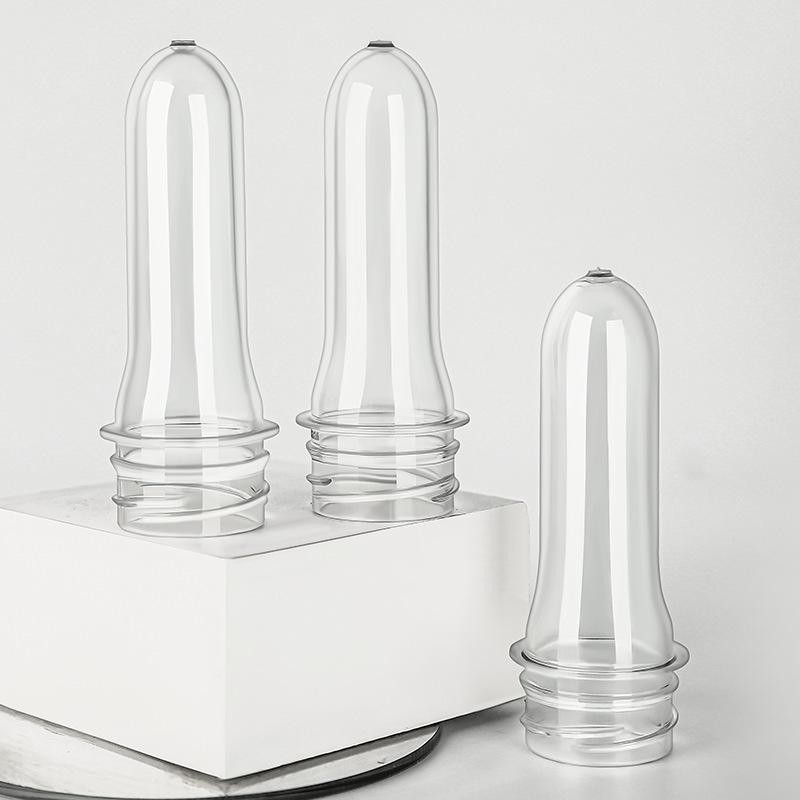
Blowing parts

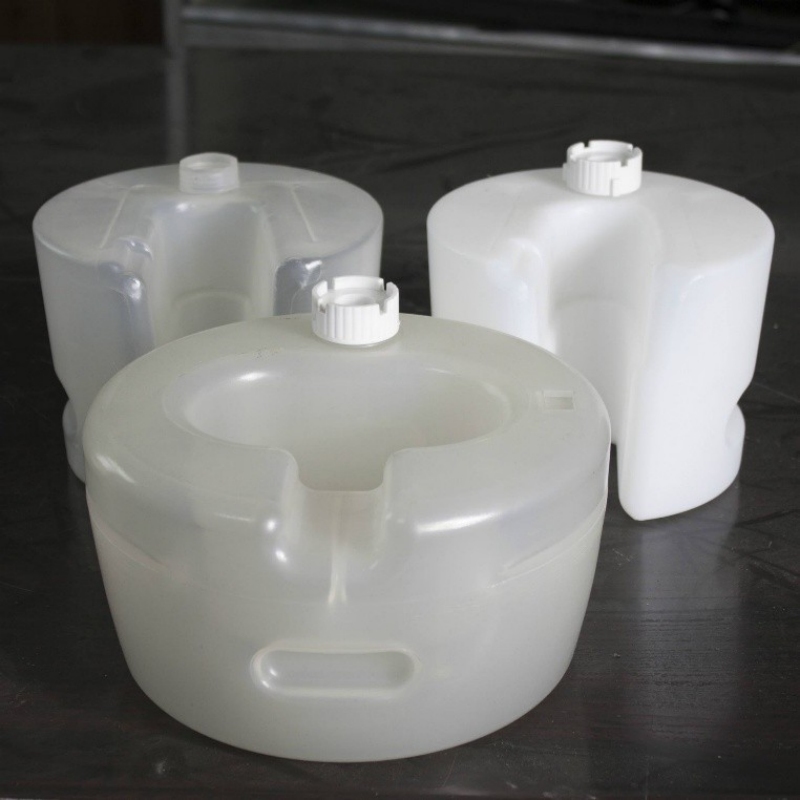
  • Blow-molded parts is a plastic component with a hollow structure, featuring an internal cavity and an external shell of a specific shape.
  • Compressed air expands a molten plastic parison to conform to the inner walls of a mold, resulting in hollow structural components after cooling.
  • The core feature:

    Structural form ² Specifically designed for manufacturing hollow products without bottom holes or fully enclosed ones.

    ² It can achieve integrated molding of complex curved surfaces without the need for assembly.

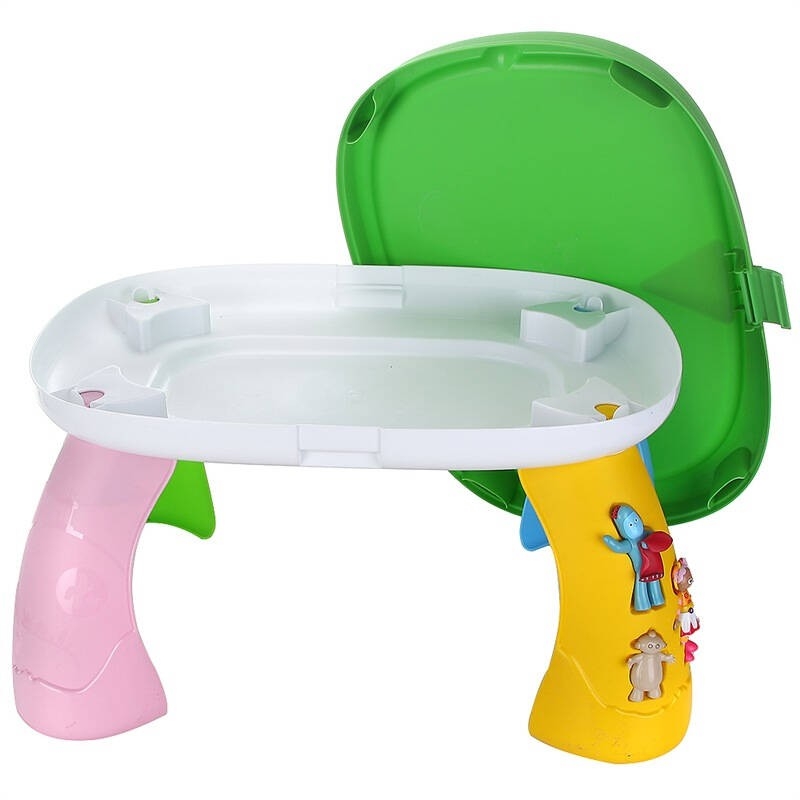
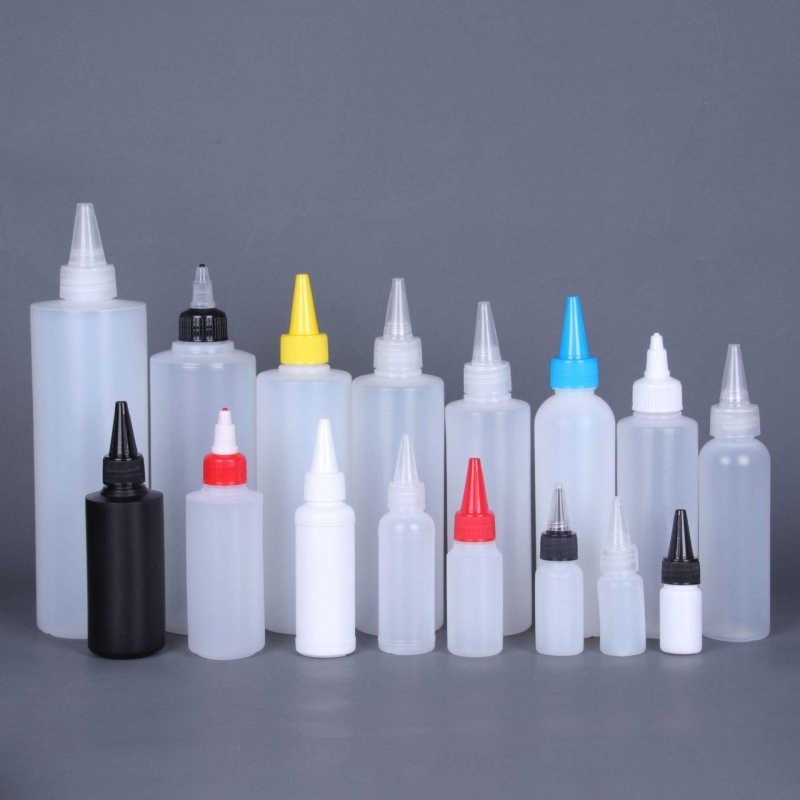
    Typical application ² Bottles, barrels, boxes, fuel tanks, toys, containers, complex piping components, etc.
    Main materials ² PE (Polyethylene), PP (Polypropylene), PVC (Polyvinyl Chloride), PET (Polyester), etc. thermoplastic plastics
    Forming principle ² By analogy with glass blowing, a heated and softened tubular blank is placed in a closed mold.

    ² Compressed air is introduced to cause it to expand and closely adhere to the mold cavity.

    ² After cooling and shaping, it is demolded.

    Wall thickness control ² The wall thickness is determined by the extrusion/injection parameters and blow-up ratio of the billet.

    ² Corners are prone to thinning, and uniformity is not as good as injection molding.

    ² Optimization needs to be achieved through the storage head or program control.

    Surface marks ² The products usually have mold lines (flash), which need to be trimmed later in extrusion blow molding;

    ² Injection blow molding can achieve no edge trimmings and high bottle mouth accuracy.

    Residual stress ² Low-pressure molding results in small internal stress, good toughness and strong impact resistance.

    ² But the dimensional repeatability accuracy and surface finish are generally lower than those of injection molding.


    Common classifications (based on the method of forming the mold):

    Extrusion Blow Molding ² The most commonly used method, a tubular mold is directly extruded and then blown to form.

    ² Suitable for large-sized containers (from a few liters to several thousand liters) and handleable products;

    ² The equipment and molds have low costs production (accounting for approximately 75%-90% of the market).

    ² The disadvantages are poor uniformity of wall thickness and the flash edges that need to be trimmed.

    Injection Blow Molding ² First, a molded blank with a bottom is injection-molded, then it is blown to expand.

    ² The bottle mouth has high precision, no burrs, uniform wall thickness, good hygiene.

    ² It is often used in medical packaging and high-precision containers.

    ² The disadvantages are that the molds are expensive, only suitable for small-sized items (usually < 4L), and without handle.

    Stretch blow molding ² Before the blow-up process, two-way stretching enhances strength and transparency.

    ² Specifically used in packaging PET bottles with high-barrier.

    ² Requires specialized equipment and high-purity raw materials.

    Multi-layer Blow Molding ² A multi-layer material produced by co-extrusion, high barrier and chemical resistance,

    ² It is used for high-end chemical, food packaging, automotive fuel tanks.


    The advantage and limit:

    Advantages ² Suitable for lightweight, shock-resistant, and chemically resistant scenarios;

    ² The mold investment is approximately 1/3 to 1/2 of that for injection molding,

    ² suitable for medium to large-scale production of hollow containers.

    Limitations ² Large dimensional tolerance, not suitable for high-precision mating parts;

    ² Difficult to control the wall thickness of large components, prone to deformation or uneven sealing;

    ² Although a wide range of materials are available (PE/PP/PVC/PET, etc.), the application of engineering plastics is limited.

    Typical applications ² Daily chemical packaging bottles, industrial barrels and tanks, automotive fuel tanks/ventilation ducts, hollow toys, large storage tanks, etc.


    Custom Containers FAQs

    Qigao is a welder and flame cutting machines leader in China. We insists on supplying professional technology, high performance and good after-sale service to meet the requirements of customers from around the worlds. China Qigao will try our best to become your one-stop supplier. Name your detailed task and we will find a solution together!

    Discuss Your Product Requirement

    Use this call-to-action area for product inquiries, sample requests or technical consultation routing.

    Blowing parts

    Blowing parts