Holiday Notice: We will be closed from April 4th to 6th, 2024, for the Qing Ming Festival. Learn more

InnovEd Parts Program comes! Bridge innovation and education. Perfect for college students and faculty eager to create. Join us.

InnovEd Parts Program comes! Bridge innovation and education. Perfect for college students and faculty eager to create. Join us.

Product Detail

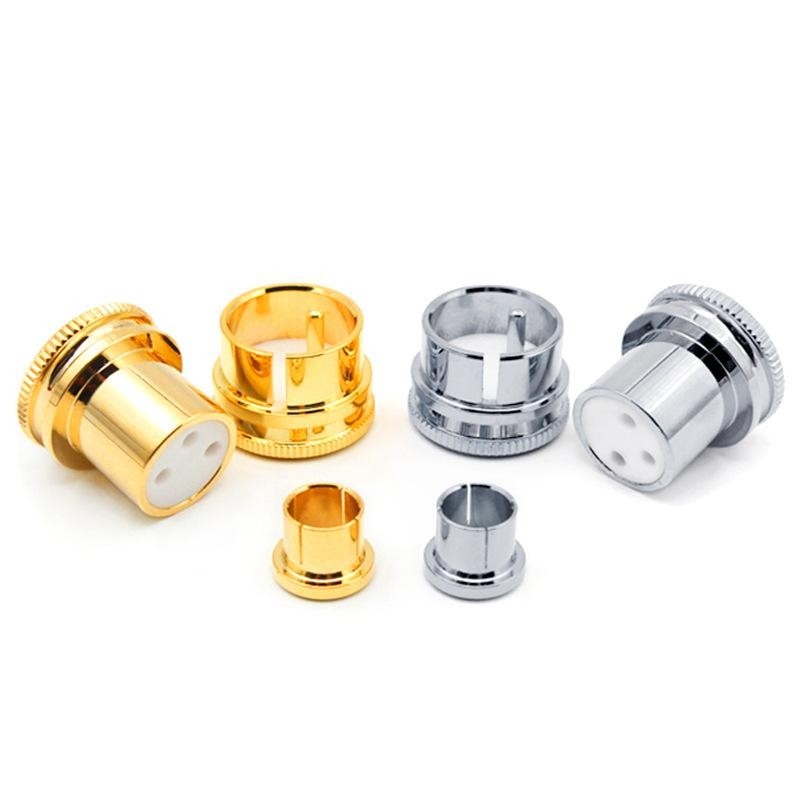
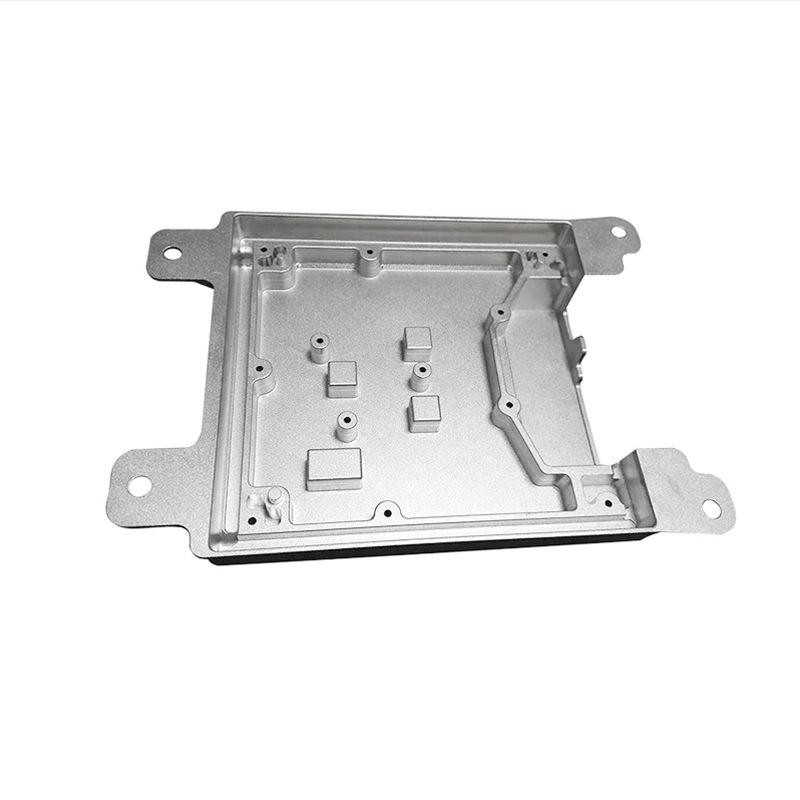
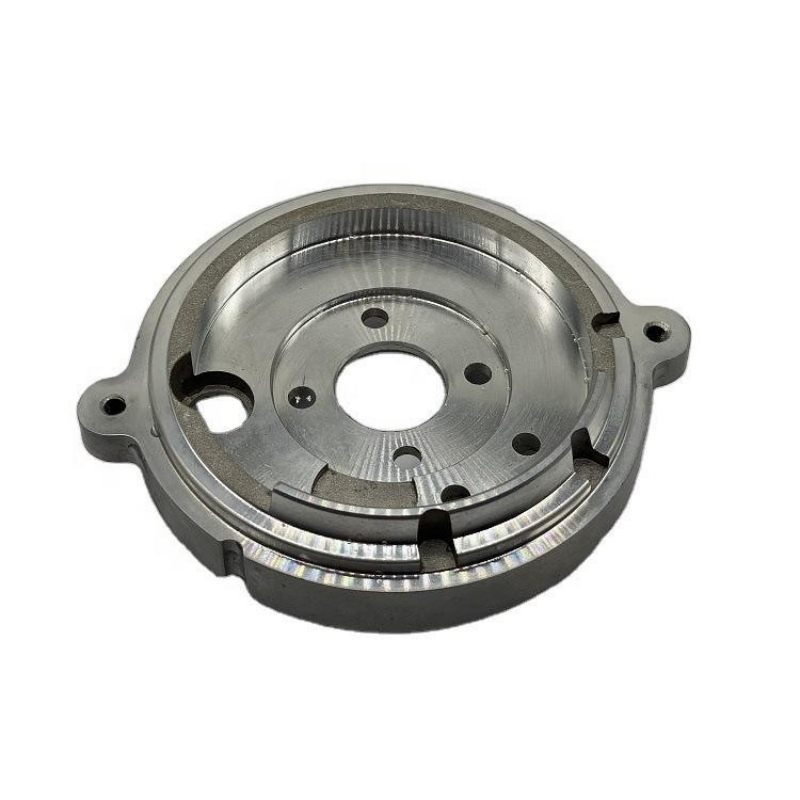
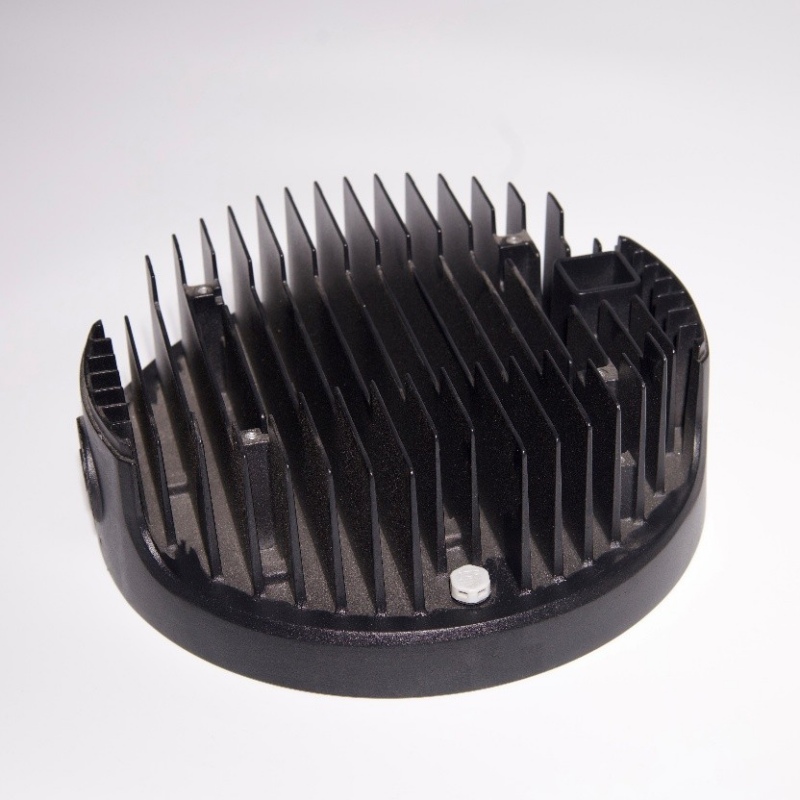
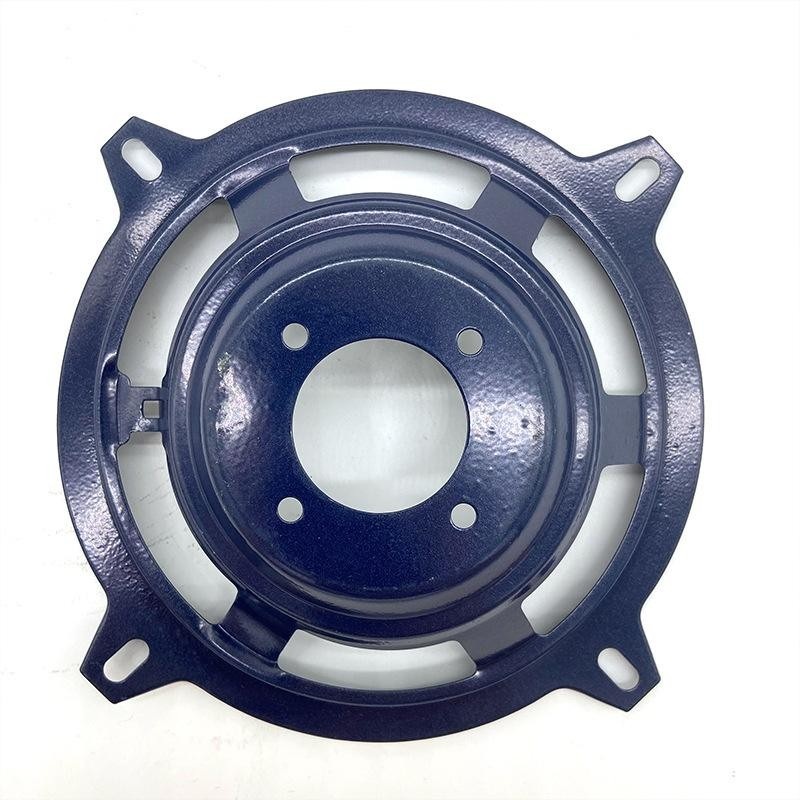
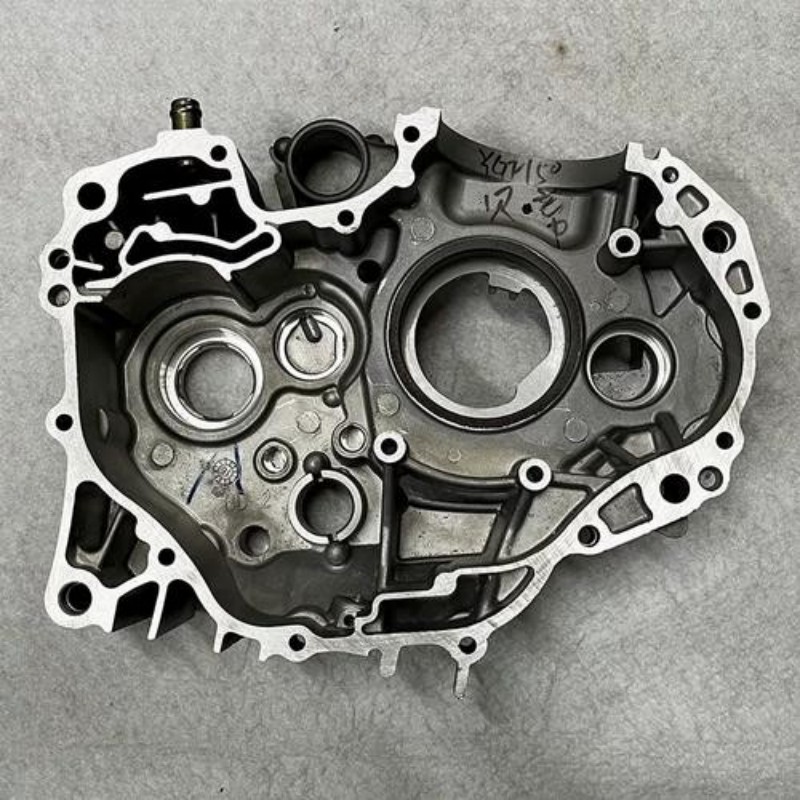
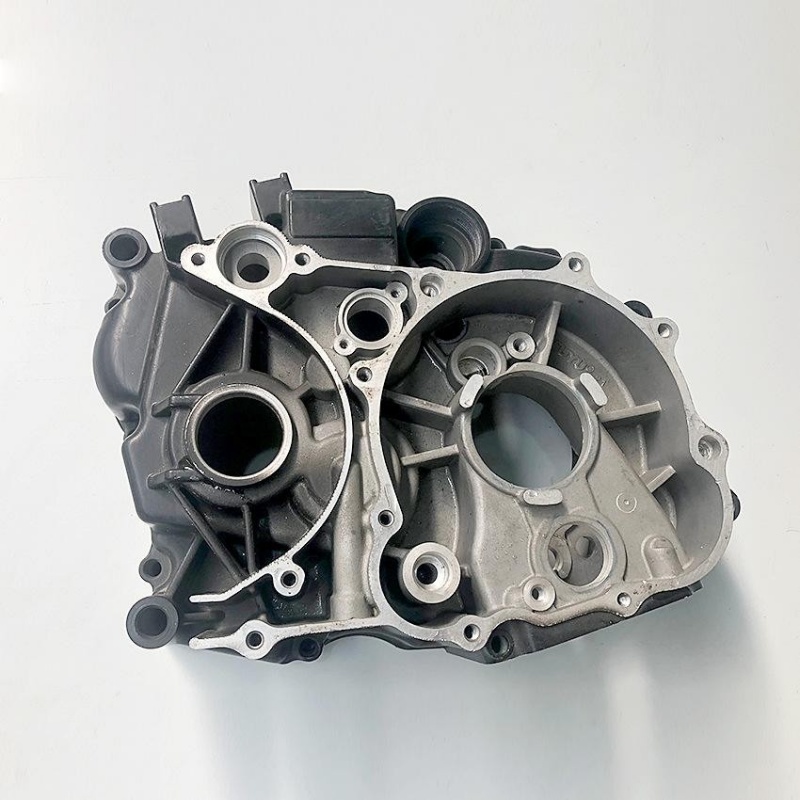
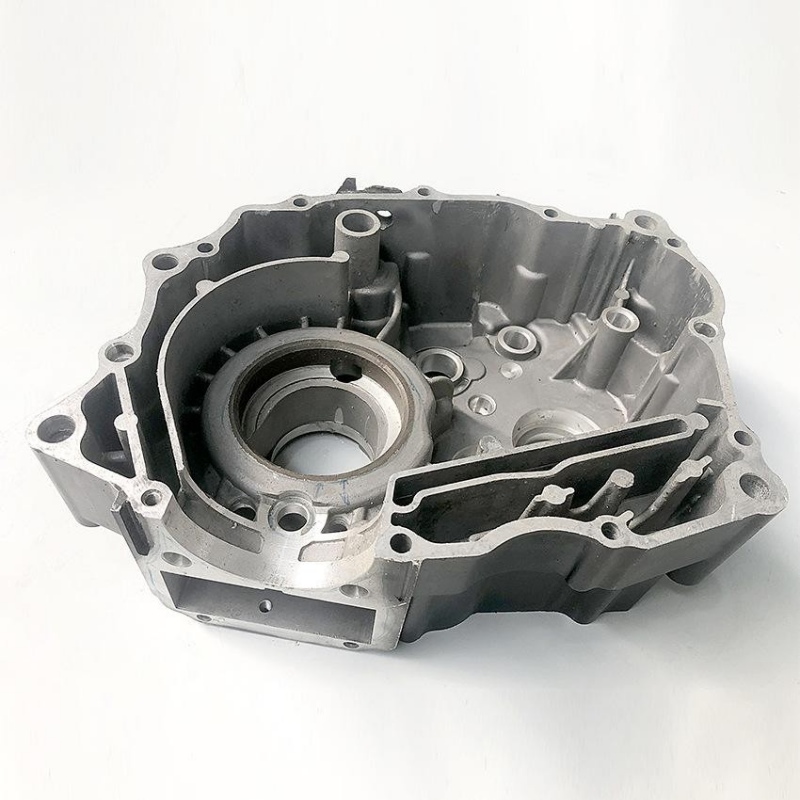
Die casting parts

  • Metal casting parts are obtained through the pressure casting process.
  • Molten metal is injected into the steel mold cavity under high pressure (usually 15-100 MPa) at high speed.
  • And then solidifies and forms under pressure to obtain precise metal parts.
  • Die casting main feature:

    • Die casting is a metal casting process that involves applying high pressure to molten metal within a mold.
    • The main difference of die casting from other casting methods lies in the high pressure and high speed.
    • Die-cast parts:complex shapes, thin walls, high precision, and a smooth surface with high dimensional consistency.
    • The molds are typically made from stronger alloys, and this process is somewhat similar to injection molding.


    Which materials are suitable for die casting?

    • Most die-cast parts are quite rare, but it is still feasible.
    • Basedon the different metal materials and applications, die castings can be classified as copper die castings, zinc die castings, aluminum die castings, etc.
    • Used for die casting mainlymaterial: zinc, copper, aluminum, magnesium, lead, tin, and lead-tin alloys.
    • The more special die-casting metals:ZAMAK, aluminum-zinc alloys,
    • And the standards of the American Aluminum Association: AA380, AA384, AA386, AA390, and AZ91D magnesium.


    The advantages and shortcoming of die-casting:

    Advantages the castings have excellent dimensional accuracy.
    Shortcoming ² The main drawback of die casting is its high cost.

    ² The equipment for die casting, as well as the molds and related components, are relatively expensive compared to other casting methods.

    ² Therefore, it is more economical to produce a large quantity of parts when manufacturing die castings.


    The processing of die-cast parts mainly steps:

    Mold preparation, filling, injection, sand removal and post-treatment.

    Step Specification
    Mold Preparation ² During the preparation process, a lubricant needs to be sprayed into the mold cavity.

    ² The lubricant not only helps control the temperature of the mold but also facilitates the removal of the castings.

    Filling and Injection ² After closing the mold, high pressure is used to inject the molten metal into the mold.

    ² The pressure range is approximately between 10 and 175 megapascals.

    ² Once the molten metal is fully filled, the pressure will remain constant until the casting solidifies.

    Sand removal ² The pusher rod removes all the castings and separates the residues, including the mold opening, risers, gates, and burrs.

    ² This process is usually accomplished by pressing the castings through a specially designed finishing mold;

    ² Other methods include sawing and grinding.

    Post-processing ² During the production process of die-cast parts, problems such as bubbles and burrs may occur,

    ² And there may also be residual mold sand and oxide scale.

    ² Therefore, after the die-cast parts are manufactured, post-processing work needs to be carried out, including grinding, polishing, spraying, electroplating and other processes.

    ² The purpose is to make the surface of the die-cast parts more beautiful, while improving their corrosion resistance and mechanical properties.


    Custom Containers FAQs

    Qigao is a welder and flame cutting machines leader in China. We insists on supplying professional technology, high performance and good after-sale service to meet the requirements of customers from around the worlds. China Qigao will try our best to become your one-stop supplier. Name your detailed task and we will find a solution together!

    Discuss Your Product Requirement

    Use this call-to-action area for product inquiries, sample requests or technical consultation routing.

    Die casting main feature: Die casting is a metal casting process that involves applying high pressure to molten metal within a mold. The main difference of die casting from other casting methods lies in the high pressure and high speed. Die-cast parts: complex shapes, thin walls, high precision, and a smooth surface with high dimensional consistency. The molds are typically made from stronger alloys, and this process is somewhat similar to injection molding. Which materials are suitable for die casting? Most die-cast parts are quite rare, but it is still feasible. Based on the different metal materials and applications, die castings can be classified as copper die castings, zinc die castings, aluminum die castings, etc. Used for die casting mainly material: zinc, copper, aluminum, magnesium, lead, tin, and lead-tin alloys. The more special die-casting metals: ZAMAK, aluminum-zinc alloys, And the standards of the American Aluminum Association: AA380, AA384, AA386, AA390, and AZ91D magnesium. The advantages and shortcoming of die-casting: Advantages the castings have excellent dimensional accuracy. Shortcoming The main drawback of die casting is its high cost. The equipment for die casting, as well as the molds and related components, are relatively expensive compared to other casting methods. Therefore, it is more economical to produce a large quantity of parts when manufacturing die castings. The processing of die-cast parts mainly steps: Mold preparation, filling, injection, sand removal and post-treatment. Step Specification Mold Preparation During the preparation process, a lubricant needs to be sprayed into the mold cavity. The lubricant not only helps control the temperature of the mold but also facilitates the removal of the castings. Filling and Injection After closing the mold, high pressure is used to inject the molten metal into the mold. The pressure range is approximately between 10 and 175 megapascals. Once the molten metal is fully filled, the pressure will remain constant until the casting solidifies. Sand removal The pusher rod removes all the castings and separates the residues, including the mold opening, risers, gates, and burrs. This process is usually accomplished by pressing the castings through a specially designed finishing mold; Other methods include sawing and grinding. Post-processing During the production process of die-cast parts, problems such as bubbles and burrs may occur, And there may also be residual mold sand and oxide scale. Therefore, after the die-cast parts are manufactured, post-processing work needs to be carried out, including grinding, polishing, spraying, electroplating and other processes. The purpose is to make the surface of the die-cast parts more beautiful, while improving their corrosion resistance and mechanical properties.

    Die casting parts